Beating Kentucky’s Humidity: Mold Prevention Strategies for Your Home
By Heather Woosley · August 3, 2026 · 4 min read
Living in Grayson County, we all know that distinct feeling of stepping outside in mid-July—the air is so thick and humid it feels like a heavy blanket. While the lush greenery is beautiful, that moisture is the enemy of a healthy home. At Amazing Grace Home Inspection, LLC, I’ve seen firsthand how our Kentucky climate creates the perfect storm for mold growth in everything from historic farmhouses to new builds.
Mold isn't just an unsightly nuisance; it can impact the air quality in your living spaces and potentially damage structural components if left unchecked. As a licensed and InterNACHI® Certified Inspector, I often find that mold issues stem from manageable maintenance tasks that simply get overlooked during the busy summer months. By taking a proactive approach, you can protect your investment and your family.
Control Your Indoor Climate
Your air conditioning system does more than keep you cool; it is your primary tool for removing moisture from the air. However, an oversized unit or an older system may cool the home down too quickly without running long enough to dehumidify the air effectively. This results in a cold but clammy environment where mold can thrive behind drywall or in closets.
To manage this, consider using a standalone dehumidifier in particularly damp areas like basements. Ideally, you want to keep your indoor relative humidity between 30% and 50%. You can pick up a small hygrometer at most hardware stores to monitor this. Also, check your condensate drain lines—especially during heavy rains—to ensure they aren't clogged, which can cause water to back up into your HVAC system or floor.
Don't Skip the Ventilation
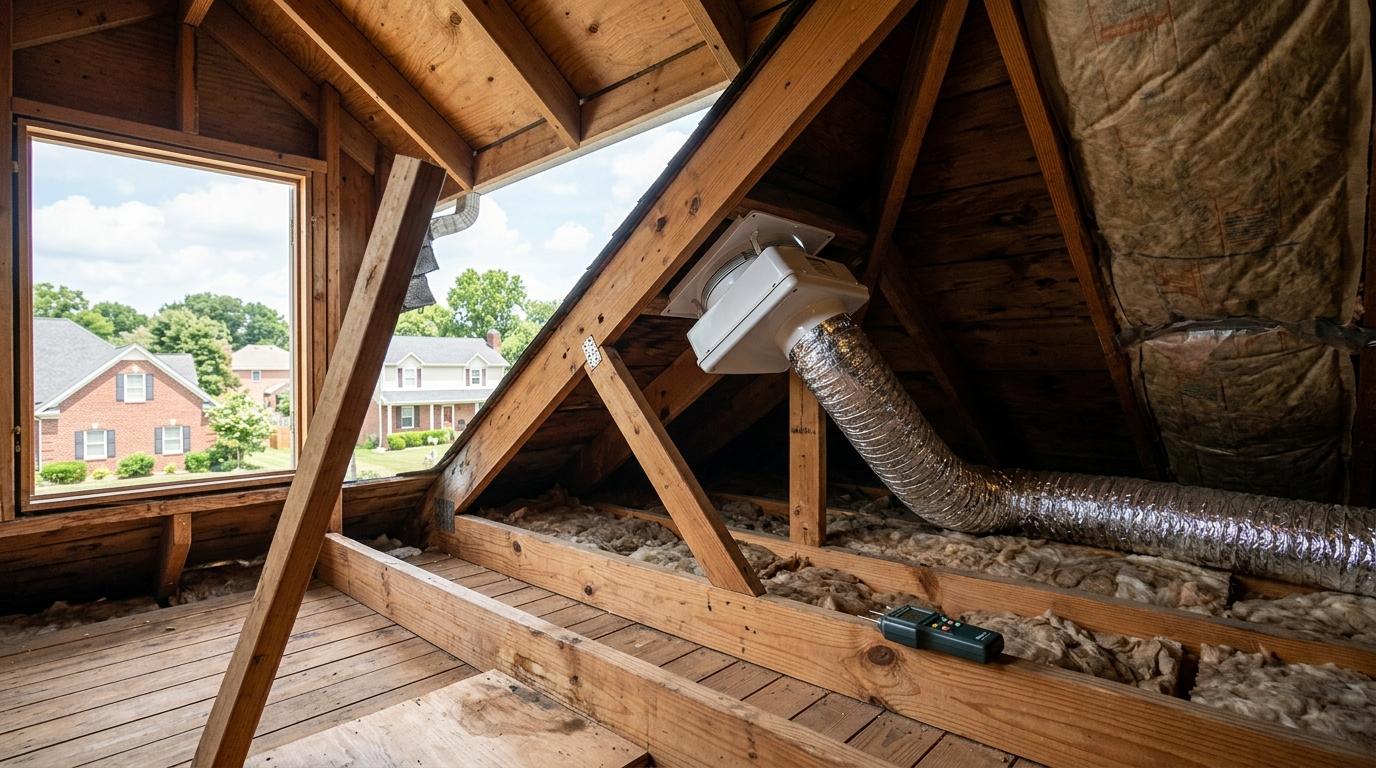
Everyday activities like showering, cooking, and doing laundry add gallons of water vapor into your home. If that moisture has nowhere to go, it settles on cool surfaces and encourages mold growth. I frequently inspect homes where beautiful, updated bathrooms lack functional exhaust fans, or where the fans vent directly into the attic rather than outside.
Make it a habit to run exhaust fans during showers and for at least 20-30 minutes afterward to clear out residual moisture. In the kitchen, use your range hood when boiling water or frying. If you don't have fans in older bathrooms, cracking a window is a simple, effective alternative. Never vent your clothes dryer into a crawlspace or garage; it must vent completely outside to release that hot, moist air.
Manage Exterior Water Sources
The best way to stop mold inside is to stop water from getting there in the first place. Our summer thunderstorms can drop inches of rain in a short period, overwhelming gutters and downspouts. If your gutters are clogged with leaves or debris, water will spill over the side and pool right against your foundation. Over time, this hydrostatic pressure forces water into crawlspaces and basements.
Walk around your home after a storm. Ensure that gutters are clean and that downspouts extend at least five to six feet away from the foundation. Check the grading around your home as well; the dirt should slope away from the house to direct runoff elsewhere. This is particularly important for homes with basements in our region where soil composition can vary.

Inspect Crawlspaces and Basements
In our service area, many homes are built with crawlspaces or basements that are naturally damp and dark. These areas are the most common places I find mold during a residential inspection. Ground moisture evaporates, rising up and getting trapped in the floor joists and subflooring.
If your home has a crawlspace, ensure it has a proper vapor barrier—a thick plastic sheet that covers the soil entirely. This prevents ground moisture from entering the air space. Look for standing water or damp insulation on the floor joists above. If you notice a musty smell or visible growth, it is worth scheduling a professional assessment. We offer Mold and Air Quality Testing to help identify specific issues, so you aren't guessing at the solution. Schedule your inspection today.
Schedule Your Professional Inspection
Prevention is always more affordable than remediation, but sometimes mold hides in places you can't see, such as inside wall cavities or ductwork. If you are buying a home or simply want peace of mind in your current residence, a professional set of eyes can make all the difference.
At Amazing Grace Home Inspection, LLC, we can help identify moisture intrusion points and risk factors before they become major headaches. We are licensed, insured, and background-checked for your peace of mind. If you are concerned about mold or air quality, reach out to us today to schedule an inspection or learn more about our Radon and Mold Testing services. We are here to help you maintain a safe, healthy home for years to come.