
Fall Home Maintenance Checklist for Leitchfield and Surrounding Kentucky Counties
By Heather Woosley · September 22, 2026 · 3 min read
As the leaves turn amber across the rolling hills of Grayson County, the first warm rain of October often catches homeowners off guard. In Leitchfield and the surrounding counties—Hardin, Breckinridge, and beyond—fall weather can reveal hidden wear in a home’s envelope. I’ve spent lots of time walking basements, attics, and porches in these towns, and the most common seasonal surprises all start with simple, proactive maintenance. Below is a checklist you can follow this season to keep your house comfortable, dry, and safe before the first frost bites.
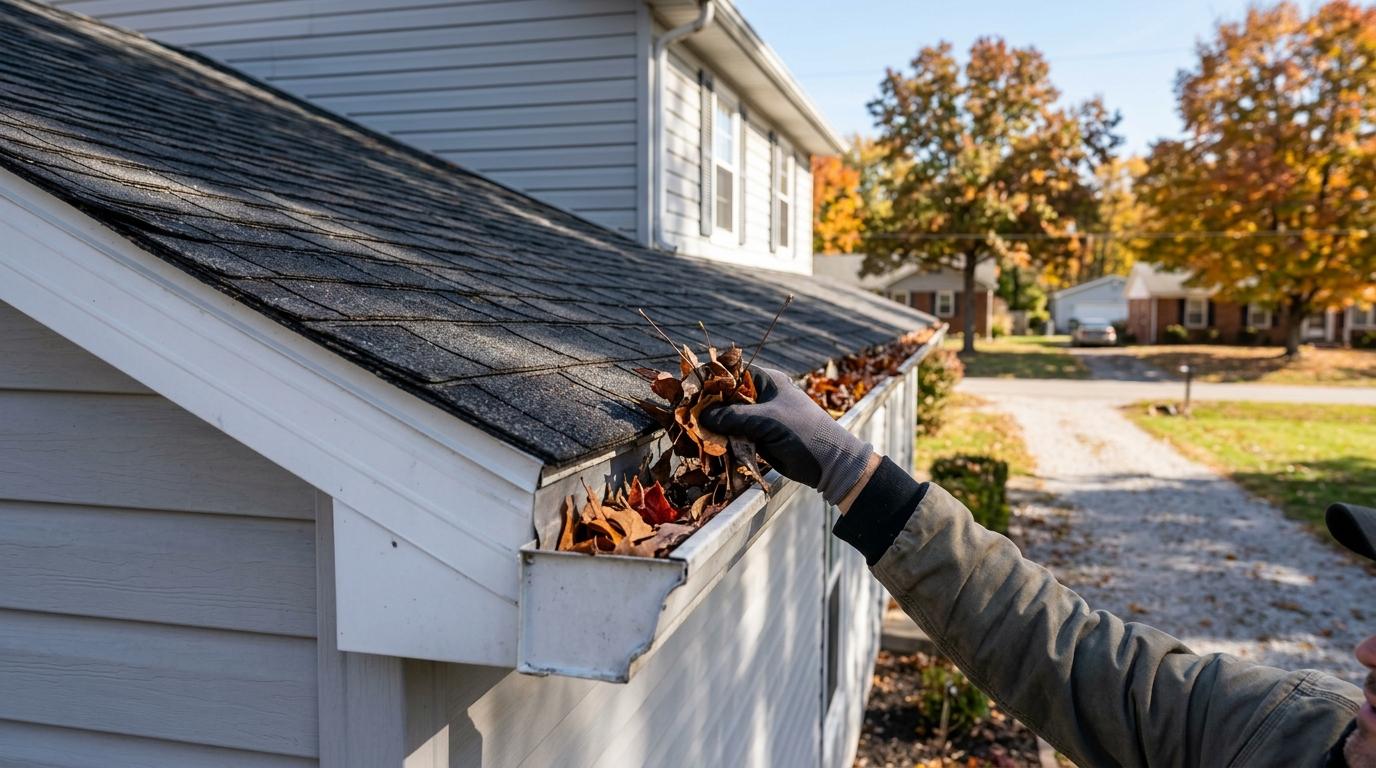
Check Gutters and Roof Edge
Why it matters
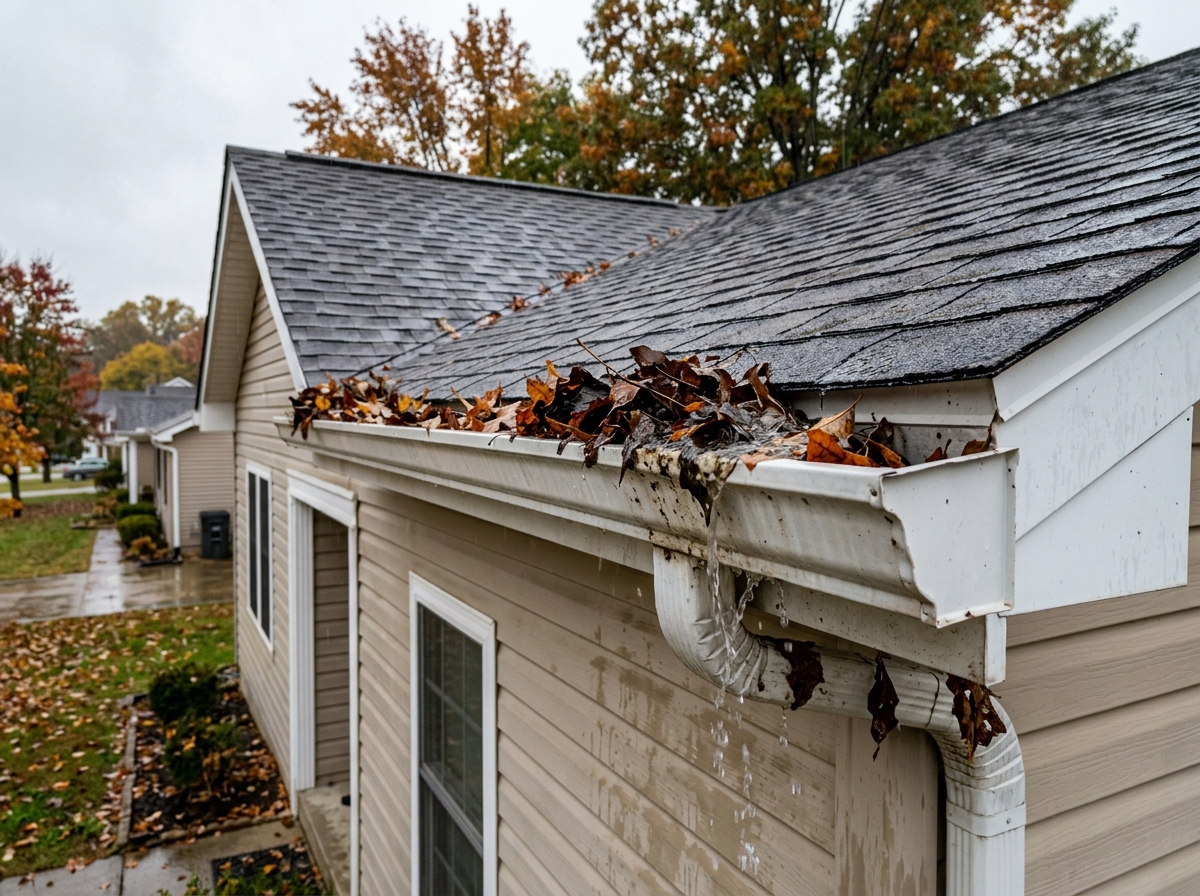
- Falling leaves and pine needles quickly clog gutters, directing water onto siding and foundations.
- Clogged gutters can accelerate soil erosion around your home.
What to do
- Remove debris: Use a sturdy ladder and a scoop or garden trowel to pull out leaf piles. A leaf blower on low can help clear the downspout openings.
- Inspect for damage: Look for rusted seams, cracked sections, or loose hangers. Small repairs now prevent water damage that can cost hundreds later.
- Test the flow: After cleaning, run a garden hose along the gutter line. Water should travel freely to the downspout and away from the foundation.
- Add splash guards: If you notice rain spitting over the edge, install a simple splash guard or redirect the downspout to a rain barrel.
Local tip
In the older farmhouses, metal gutters are common. They tend to shrink in winter, so check the fasteners after a heavy rainstorm and tighten any that have loosened.
Service Your Heating System
Seasonal preparation
Your furnace works hardest during November and December. A well‑maintained system saves energy and reduces the risk of carbon monoxide buildup.
Steps to take
- Replace filters: A dirty filter forces the blower to work harder and can restrict airflow, lowering efficiency.
- Inspect the blower and blower motor: Listen for unusual noises and check that the motor’s fan blades spin freely.
- Check the venting: Ensure the exhaust pipe is clear of debris and that the termination cap is securely attached.
- Schedule a professional tune‑up: While you can change filters yourself, a licensed HVAC technician should clean the heat exchanger and test combustion safety.
Seal Your Basement and Test for Radon
Why basements matter in Kentucky
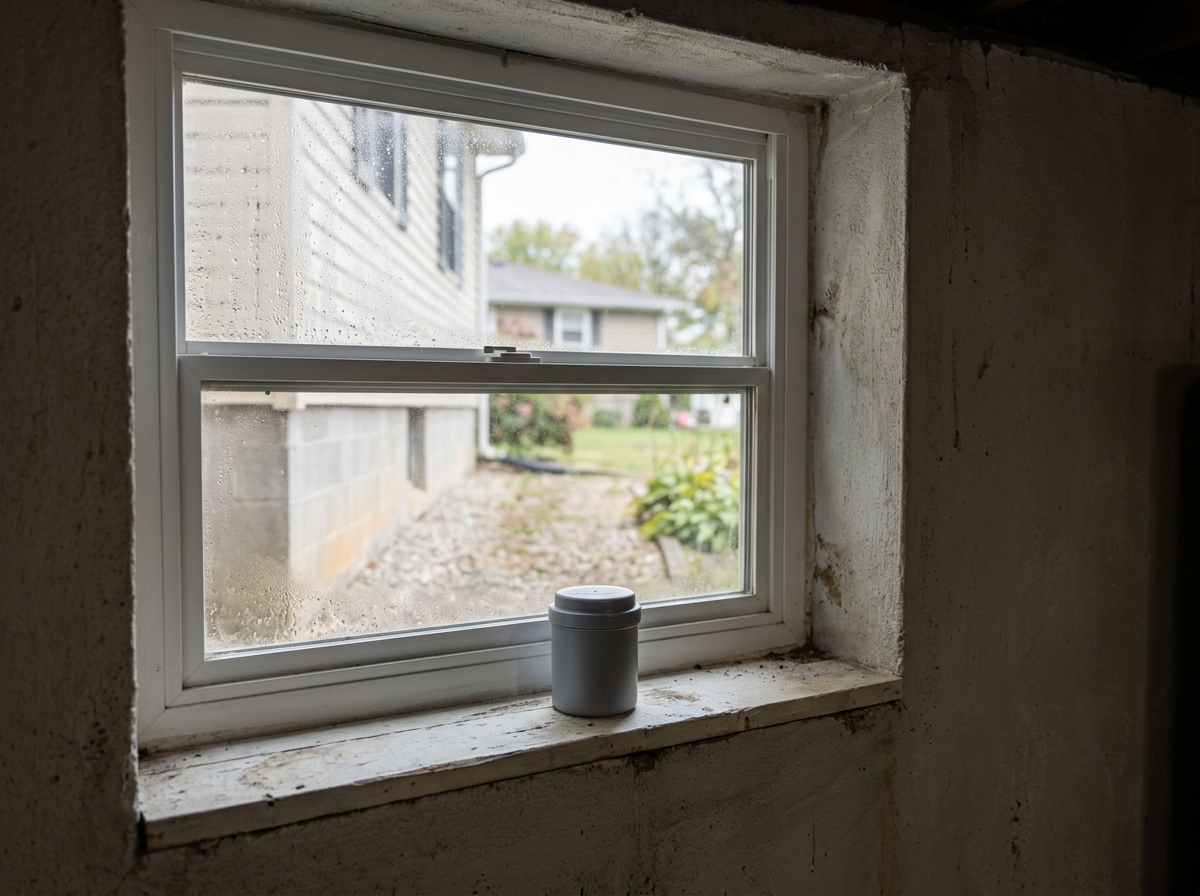
Basements sit close to the ground water table, making them prone to moisture intrusion and radon entry. A damp basement can foster mold, while unchecked radon is a silent health risk.
Action items
- Inspect foundation walls: Look for visible cracks, gaps around pipe penetrations, or water stains. Small cracks can be sealed with hydraulic cement.
- Check exterior grading: Soil should slope away from the house at least 6 inches over the first 10 feet. Re‑grade if water pools near the foundation.
- Run a radon test: Place a short‑term radon kit on a basement floor for 48 hours. If the result exceeds EPA’s action level (4 pCi/L), schedule a radon mitigation system with a qualified contractor.
- Use a dehumidifier: Keep basement humidity below 60 % to discourage mold growth, especially after heavy rains common in the Ohio River valley.
Local tip
Older brick basements often have mortar joints that have settled. A thin layer of epoxy‑based sealant can reinforce those joints without altering the historic appearance.
Inspect for Mold and Indoor Air Quality
Common sources
- Leaky plumbing: Kitchen and bathroom fixtures that drip can create hidden moisture behind cabinets.
- Attic ventilation: In the humid summer months, inadequate attic ventilation can trap moisture, leading to mold on roof sheathing.
- Air‑handling units: Dirty coils and ducts spread spores throughout the house.
What you can do now
- Visual scan: Look for discoloration, a musty odor, or water stains on walls, ceilings, and around windows.
- Run a simple air‑quality test: A DIY mold‑spore test kit can give a preliminary indication, but a professional indoor‑air quality assessment is more reliable.
- Clean or replace filters: HVAC filters should be swapped at least every 3 months during the heating season.
- Maintain humidity: Use exhaust fans while cooking or bathing, and keep indoor humidity between 30‑50 %.
Local tip
Homes built before 1990 often have crawl‑space vents that are blocked by fallen leaves. Keep those vents clear to allow proper airflow and reduce moisture buildup.
If you notice any of the items on this checklist, or simply want a professional set of eyes on your home before the first frost, feel free to reach out. Heather Woosley at Amazing Grace Home Inspection, LLC is always happy to answer questions, schedule a seasonal inspection, or discuss radon and mold testing for any property in Leitchfield, Grayson County, and the surrounding Kentucky regions. We're here to help you protect your home, one season at a time.